The Myth of “Hot” and “Cold” Slot Machines
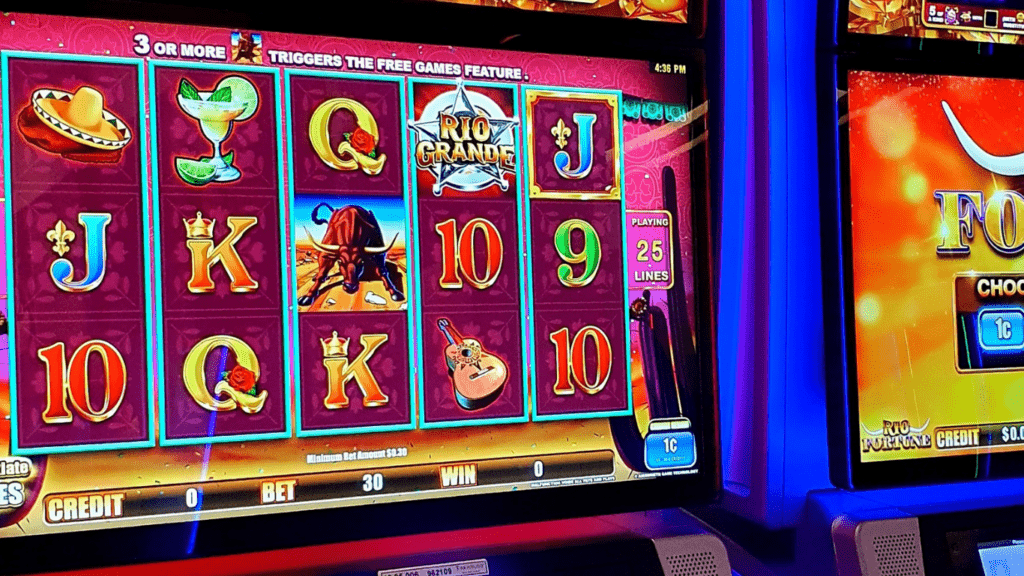
Let’s get this straight slot machines are not boilers, ovens, or coffee pots. They don’t heat up, cool down, or run on lucky vibes. The idea that some machines are in a “hot streak” while others are “cold” is one of the most persistent myths in casino culture. And it’s costing players real money.
Slot outcomes are powered by Random Number Generators (RNGs). These are algorithms that crank out massive strings of numbers every second whether someone is playing or not. The exact millisecond you hit the spin button determines the outcome. Not your mood, not your timing, and definitely not the “temperature” of the machine.
Chasing a streak or believing that a payout is “due” can drain your bankroll fast. It’s a cognitive trap. The machine doesn’t remember the last spin. It’s not building up to reward you, and it doesn’t owe you a jackpot because you’ve been sitting there for an hour.
Smart players know when to walk. They treat each spin as a new, independent event because mathematically, it is. The only pattern in slot play is the one your mind wants to see.
Card Counting Is Illegal (Spoiler: It’s Not)
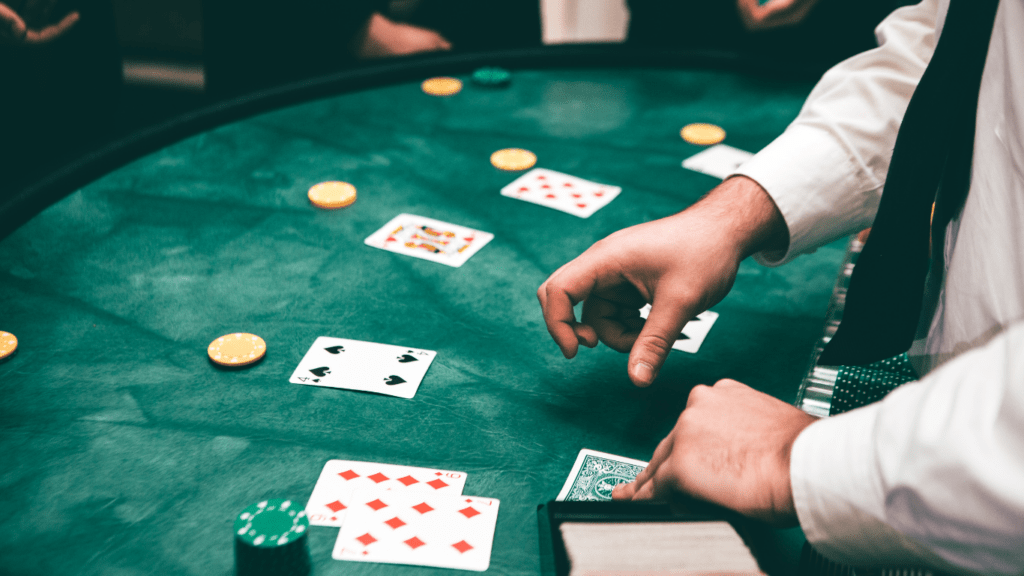
Let’s clear this up: card counting in blackjack is not illegal. In fact, it’s perfectly legal under U.S. law. There’s no hidden clause banning mental math. No FBI raid for keeping track of eights and aces. What you’re doing is using what’s in front of you publicly visible cards to make smarter bets. That’s not cheating. That’s thinking.
But here’s the catch: casinos are private businesses. While the law may be on your side, casino policy isn’t. If the pit boss starts noticing you consistently winning or altering your bets with uncanny timing, they might show you the door. No handcuffs just a firm invitation to cash out and leave.
Now, onto the bigger truth: even though card counting sounds like a magic trick, most people are terrible at it. It’s demanding. You need to keep a running count, convert to a true count, size bets accordingly, and do it all without making it obvious. Sloppy play and shaky math will lose you money faster than any dealer mistake. That’s why the image of the cool, calculating counter beating the house night after night is mostly a fantasy.
What actually works? Discipline. Bankroll management. Knowing when to sit out. The strongest card counters aren’t flashy they’re focused. They know the game inside and out. And most importantly, they know themselves.
Still buying into the movie myths? Check out this breakdown that separates fact from fiction: Blackjack myths explained.
Betting Systems Guarantee Wins
Let’s clear this up: no betting system changes the odds of the game. The Martingale strategy says you should double your bet after every loss so that one win will recover all losses and net a profit. In theory, it sounds airtight. In practice, it’s a fast track to blowing your bankroll or bumping into table limits that make recovery mathematically impossible. Fibonacci and Labouchere systems tinker with the same idea: chase losses in hopes of an eventual win. The problem? Probability doesn’t play along.
Games like roulette, blackjack, or baccarat don’t care if you lost the last five rounds. Each spin, hand, or roll is an independent event. Doubling down on a cold streak is like sprinting toward a cliff because you think the ground will stretch out farther this time.
Smart players don’t chase. They manage. That means betting amounts they’re comfortable losing and knowing when to walk away. Risk can be measured. Regression to the mean can’t be rushed. Betting strategies feel good until they don’t and by then, you’ve usually paid to learn the truth.
All Games Are Pure Luck, No Strategy

Not true and not even close. The idea that all casino games rely purely on chance is one of the most costly myths you can buy into. The truth sits somewhere in the middle. Some games are 100% luck think slot machines or roulette, where outcomes are random and player decisions don’t affect results. But others? They’re absolutely influenced by what you do.
Take blackjack. The house has the edge, sure, but every hit, stand, split, or double down you choose shifts the odds slightly. Basic strategy alone can cut that house edge to under 1%. Poker goes even further. It’s a game where player skill, patience, bluffing, and decision making matter more than the hand you’re dealt. Video poker? Another hybrid still machine based, but if you play by the book, you can beat some versions with near even odds against the house.
The fine line here is knowing when your choices matter. In a game of pure chance, you’re just riding the wave. But in games that allow strategy, your edge depends on how well you play. Knowing the rules isn’t enough. You have to know how to use them.
So no, not all games are pure luck. And believing that might just be what keeps the house winning.
Casinos Rig Table Games to Prevent Big Wins
The Truth About Fair Play
One of the most persistent myths in the casino world is that table games are secretly rigged to ensure players never win big. While it’s natural for frustrated gamblers to look for scapegoats, the truth is far more structured and regulated.
State Regulations and Oversight
Modern casinos don’t operate in a legal vacuum. They are tightly regulated by state gaming commissions that enforce strict rules to ensure fairness:
Mandatory licensing and audits: Casinos must comply with regulatory bodies that inspect gaming practices regularly.
Game testing: Independent third party labs test everything from slot machines to electronic table games before they hit the casino floor.
Random outcomes: All table games use established probabilities and systems overseen by compliance auditors.
Failure to meet these standards can result in fines, license suspensions, or permanent shutdowns.
Why Transparency Benefits the House
There’s no long term value for a casino to cheat its customers. In fact, transparency is not just a legal necessity it’s a smart business move:
The house already has an edge built into the games by design.
Cheating reduces trust, and casinos thrive on player confidence and return visits.
Well regulated casinos attract more players, especially in competitive gambling markets.
Put simply, casinos don’t need to rig games they win through mathematical advantage and player psychology.
When and Where to Be Skeptical
While most licensed casinos play by the rules, there are still cases where skepticism pays off:
Unregulated or offshore sites: These often lack the oversight needed to guarantee fair play.
Games with unusual payout structures: If a game seems too good (or too confusing) to be true, it’s worth researching further.
Aggressive promotion tactics: Be cautious of venues that over promise bonuses or winnings without clear terms.
Knowing when to raise an eyebrow and when to trust the system lets you focus on strategy instead of superstition.
You Can “Feel” When a Win Is Coming
Ever had that feeling that a win was just around the corner? You’re not alone but it’s not a reliable strategy. This belief is rooted more in psychology than probability, and casinos know exactly how to exploit it.
The Gambler’s Fallacy: A Dangerous Mental Trap
Many players fall into the trap of the gambler’s fallacy, the mistaken belief that past outcomes affect future ones in random games.
Believing a slot machine is “due” after a long losing streak
Thinking alternating results in roulette mean a trend is forming
Assuming a game is building toward a payout because it hasn’t hit yet
Everything from coin tosses to card games is subject to randomness past results don’t influence future outcomes unless the game is not truly random.
The Role of Near Misses and Casino Design
Casinos expertly design machines and games to fuel emotional momentum. One of the most powerful tricks? The near miss.
Slot reels stopping just one symbol short of a jackpot
Bonus rounds that almost trigger
Sound effects and flashing lights reinforcing big (but rare) wins
These features don’t increase your odds, but they do increase the sense that a win is within reach pushing players to bet again.
Stay Grounded: Math Over Emotion
Winners know better than to trust a hunch. When you stay grounded in logic, you:
Recognize patterns that aren’t real
Budget more wisely and avoid emotional betting
Make decisions based on known odds, not fleeting feelings
No one can feel their way to a jackpot. The only sure bet is understanding how the games actually work and managing your risk accordingly.
Final Take: Smart Players Use Facts, Not Folklore
If you’re still betting based on hunches, hot streaks, or that one story your cousin swore by, you’re already behind. The casino ecosystem thrives on myth some of it whispered between tables, some baked into the design. But here’s the truth: data beats superstition every time.
Understanding how games actually work is your best angle. That means knowing the rules, the odds, and when to walk. Track your play. Set limits. Focus on strategies that reduce risk, not just promise reward. Use actual tools apps, stats, real time calculators not gut feelings. And when it comes to blackjack, let go of the Hollywood version to learn what really moves the needle.
Start by brushing up on the basics and some common mistakes right here: Blackjack myths explained.