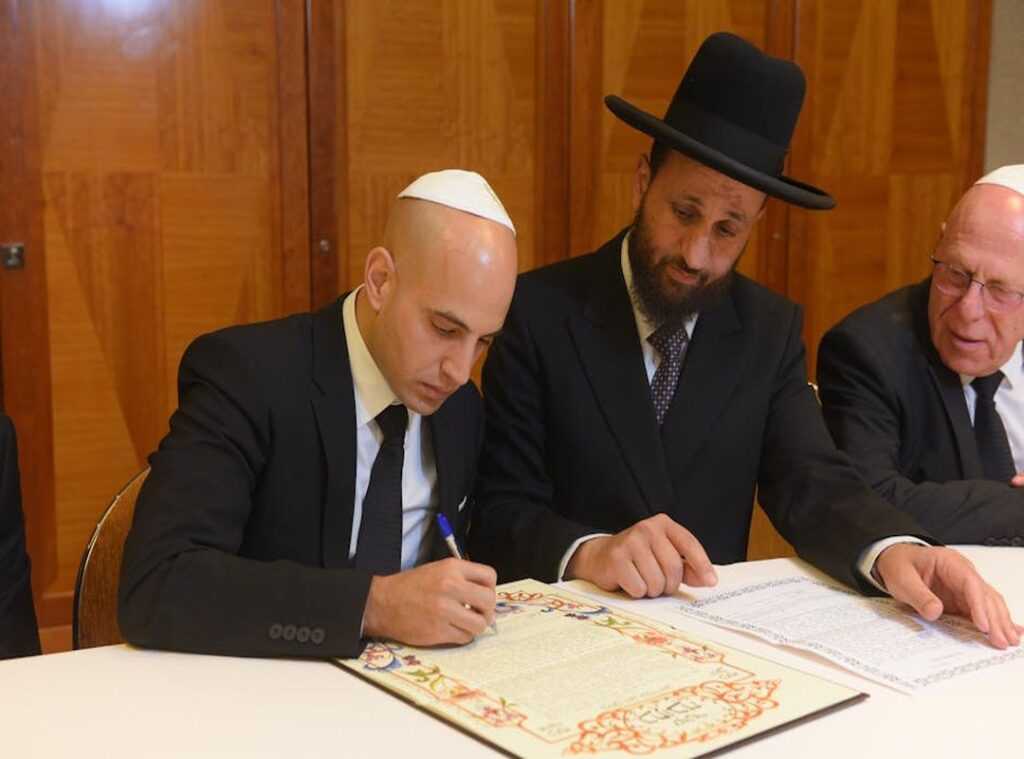
The head of a prestigious prize committee, Miriam Haran, is in a public standoff with the office of Benjamin Netanyahu. Netanyahu allegedly tried to block an Israel Prize from being awarded to a prominent tech entrepreneur. The Israel Prize is a big deal—it’s the country’s highest honor.
This clash isn’t just about one award. It’s a microcosm of the current political tensions in Israel. Institutional integrity is up against political power.
I’ll break down who the key players are, what sparked the controversy, and what it means for the nation.
Who is Miriam Haran? The Committee Chair Who Refused to Bend
Professor Miriam Haran is a well-respected scientist and public servant. She’s known for her long career in academia and various government roles.
Haran currently serves as the chairperson of the 2024 Israel Prize committee for entrepreneurship and technological innovation. In this role, she oversees the selection process, ensuring it remains fair and unbiased.
Recently, Haran faced significant political pressure. Despite this, she stood firm by the committee’s unanimous choice. Her actions highlight her commitment to integrity and independence.
“I will not be swayed by external pressures,” Haran stated. “The committee’s decision was made based on merit and nothing else.”
Her stance is not surprising. Throughout her career, Haran has been a figure of principle. She’s always prioritized the values of transparency and fairness.
In the face of challenges, including those from benjamin netanyahu miriam haran, she remained steadfast. This further cements her reputation as a leader who refuses to bend.
Netanyahu’s Alleged Intervention: The Accusations Explained
The claims against Benjamin Netanyahu and his office are serious. They say he tried to influence the outcome of a prize.
Apparently, there were phone calls made to committee members. The goal? To pressure them into reversing their decision.
Why would Netanyahu do this? The prize recipient had publicly criticized the government. That’s a big no-no if you’re in power.
This isn’t the first time Netanyahu has faced accusations like this. There’s a history of alleged political interference.
Some people argue that these claims are just another attempt to discredit Netanyahu. They say it’s all part of a broader campaign to undermine his leadership.
But let’s be real. If true, this kind of interference is a serious breach of trust. It undermines the integrity of the prize and the democratic process.
The Prime Minister’s Office, of course, denies any wrongdoing. They say the allegations are baseless and politically motivated.
Benjamin Netanyahu Miriam Haran, for example, might see this as just another political attack. But we can’t ignore the potential impact on public trust and the fairness of the system.
The Recipient at the Heart of the Storm: Eyal Waldman

Eyal Waldman, the founder of Mellanox Technologies, is a name that resonates with both innovation and tragedy. His contributions to Israel’s tech sector are immense, but his story took a deeply personal and tragic turn.
On October 7th, Waldman’s daughter, Danielle, was murdered by Hamas terrorists at the Nova music festival. This horrific event not only shattered his family but also galvanized him into a vocal critic of the Netanyahu government’s security failures leading up to the attack.
Waldman’s activism and outspokenness have been widely seen as the primary reason for the political effort to deny him the prize. It’s a stark reminder of how personal loss can drive public discourse and challenge those in power.
Awarding the prize to Waldman would be a powerful symbol. It would recognize both Israel’s tech success and the profound national trauma of October 7th. It’s a way to honor a man who has stood tall in the face of unimaginable grief and used his platform to demand change.
The benjamin netanyahu miriam haran administration has faced significant criticism for their handling of security issues. Waldman’s stance has added to the growing chorus of voices calling for accountability and reform.
In a world where so much is uncertain, it’s important to look at the bigger picture. (Like understanding the betting market outlook 2024 key investor insights and opportunities, for instance.) Waldman’s story is a testament to resilience and the enduring human spirit.
National Outcry: The Political and Public Fallout
When the news broke, the Israeli media, opposition politicians, and the public erupted in outrage. Everyone was talking about it.
Israel’s Attorney General stepped in, making it clear that the Prime Minister had no legal authority to mess with the committee’s decisions. This only added fuel to the fire.
Critics argued that this was a blatant attack on democratic institutions and free speech. They said it was a power grab, plain and simple. (And they weren’t wrong.)
The controversy became a rallying point for anti-government sentiment. It dominated news cycles and public discourse. People were angry, and they made sure everyone knew it.
Benjamin Netanyahu Miriam Haran found themselves at the center of a storm. The public was fed up, and their voices were loud and clear.
In the end, the prize was awarded as the committee intended. This outcome was a win for those who value transparency and fairness. It showed that even in the face of political pressure, democratic processes can prevail.
A Conflict Reflecting a Nation’s Deeper Divisions
Benjamin Netanyahu and Miriam Haran were at the center of a controversy that highlighted a deeper struggle. Haran, as a respected committee chair, stood firm in defending institutional integrity against political pressure from the highest office. The dispute over the Israel Prize was more than just a political squabble.
It symbolized a broader battle over national values. This incident occurred in a nation already grappling with grief, accountability, and deep political polarization following the events of October 7th. The clash reveals the ongoing tensions between political leadership and civil society in modern Israel.