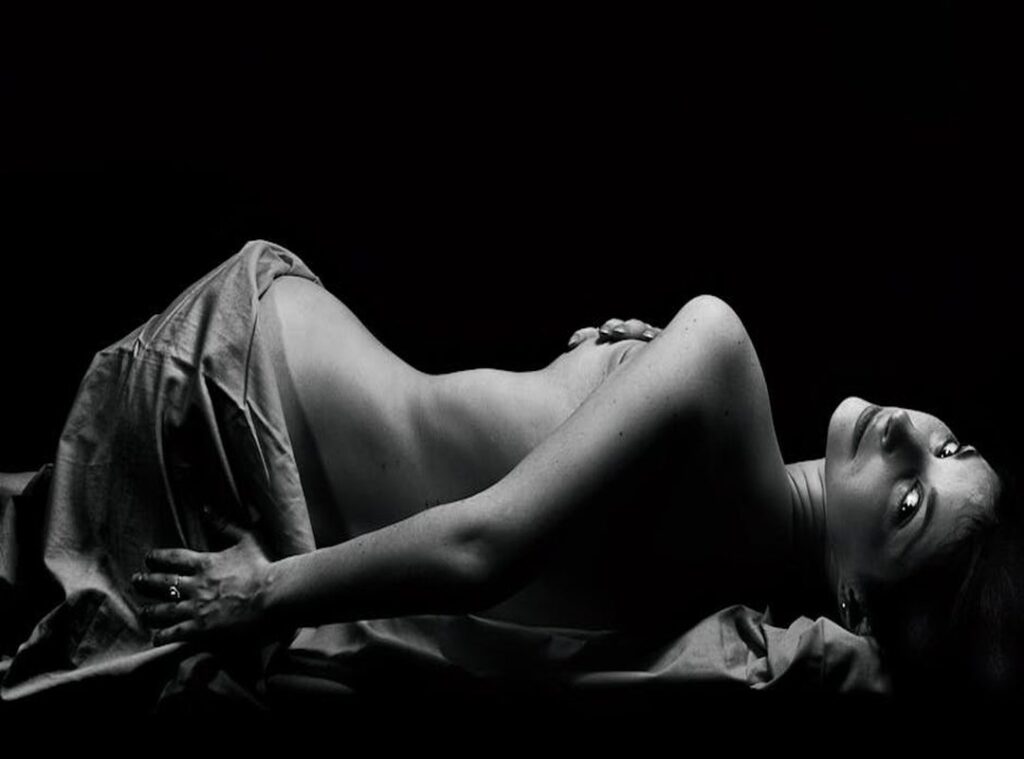
Artistic nude photography isn’t just about taking pictures of naked people. It’s a whole different ballgame.
wbery nude is all about celebrating the human form. It focuses on aesthetics like line, shape, texture, and light.
In this article, I’ll explore the history, defining characteristics, and techniques that make nude photography a respected art form.
There’s a lot of vulnerability and trust involved in this kind of work. It’s not something to take lightly.
By the end, you’ll have a deeper understanding of how photographers use the human body as a canvas for storytelling and emotional expression.
A Brief History: From Classical Painting to Modern Photography
I remember the first time I saw a Greek sculpture. It was in a museum, and I was struck by how the human form was celebrated so openly. That’s where it all began, really.
The nude figure has been a cornerstone of art for centuries, from those ancient sculptures to the Renaissance paintings that followed.
Fast forward to the 19th and early 20th centuries. Photography was just starting to take off. Pioneers like Edward Weston and Man Ray were among the first to use the camera to capture the human body.
They didn’t just document; they explored abstraction and form, using the body as a compositional element.
One of the key turning points was the rise of surrealism and modernism. These movements pushed the boundaries of how the nude figure was photographed. Suddenly, the body wasn’t just a subject; it was a canvas for artistic expression.
Societal attitudes have shifted over time, too. What was once seen as scandalous is now more widely accepted, though still controversial in some circles. This change in perception has had a huge impact on the genre.
Today, contemporary artists continue to push the wbery nude genre’s boundaries. They build on the historical foundation but add their own unique twist. It’s a fascinating evolution, and one that keeps me coming back to this timeless art form.
What Defines ‘Artistic’ in Nude Photography?
I remember the first time I saw a wbery nude. It wasn’t just a photo; it was a story, a mood, and a moment captured in time. That’s what separates artistic nudes from other types of photography: intent and concept.
The photographer’s vision is everything. They start with a clear idea, a message, or a feeling they want to convey. This isn’t about just snapping a picture; it’s about creating something meaningful.
Composition is key. The rule of thirds, leading lines, and framing—these principles guide the viewer’s eye. A well-composed image can make you linger, exploring every detail.
Light and shadow, or chiaroscuro, sculpt the body. They create depth, mood, and texture. A skilled photographer knows how to use light to reveal or conceal, adding layers of meaning.
Abstraction is another powerful tool. Instead of focusing on the literal representation of a person, the focus shifts to shapes, lines, and textures. It’s like turning the human form into a canvas.
Emotion and narrative are conveyed through pose, expression, and environment. These elements turn a simple image into a story. A model’s subtle gesture or the setting can evoke a whole range of feelings.
Think about famous works like those by Edward Weston. His photographs of nudes are not just about the body; they’re about the interplay of light and form, the curves, and the shadows. They tell a story without words.
In the end, it’s all about the why. Why this pose? Why this light?
Why this composition? When you understand the why, you see the art.
Key Techniques for Creating Powerful Compositions
I once had a photoshoot where the client wanted a dramatic, almost cinematic feel. We used a single light source to create deep shadows and highlights. The result was stunning.
It added a level of intensity that made the images stand out.
- Lighting Techniques:
- Use a single light source for dramatic effect.
- Soft, diffused light can create a serene and gentle mood.
When it comes to posing, I’ve found that conventional stances often fall flat. Instead, focus on graceful lines and dynamic shapes. Think about how the body can form interesting angles and curves.
This approach not only looks more natural but also adds a unique artistic touch.
Perspective and camera angle are crucial. Shooting from a low angle can make your subject look powerful and imposing. Conversely, a high angle can make them appear more vulnerable or whimsical.
Experiment with different angles to see what works best for your vision.
Props and natural elements can add texture and context to your images. For example, using fabric can create movement and flow. Water and sand can add a tactile, almost wbery nude, quality to the scene.
These elements help tell a story and make the image more engaging.
Post-processing is where you can really bring your vision to life. Converting an image to black and white can emphasize form and tone. A specific color grade can set the mood and atmosphere.
Play around with these options to see what enhances your composition.
Pre-visualization is key. Before you start shooting, have a clear idea of what you want to achieve. This helps you make deliberate choices during the shoot and in post-processing.
It’s like having a roadmap, so you don’t get lost in the details.
Lastly, always be open to new ideas and techniques. The world of photography is constantly evolving, and staying curious can lead to some of your best work. (And if you’re into exploring market shifts, check out this article on industry changes.)
The Role of Consent and Collaboration in Modern Practice
The foundation of any successful artistic nude photoshoot is trust, respect, and clear communication. Enthusiastic and ongoing consent is a must. It’s not just a one-time agreement; it’s a continuous dialogue.
Creating a safe, comfortable, and private environment is a non-negotiable responsibility for the photographer. This means ensuring the model feels at ease and respected throughout the session.
The relationship between the photographer and model should be seen as a creative collaboration. Both parties contribute to the final artistic vision. This approach not only enhances the quality of the work but also makes the experience more rewarding for everyone involved.
Legal and ethical considerations are crucial too. Model releases and clear agreements on image usage are necessary. These documents protect both the model and the photographer, ensuring that everyone is on the same page.
In wbery nude photography, these principles are even more important. They help build a professional and respectful environment where creativity can flourish.
The Enduring Power of the Human Figure in Art
Artistic nude photography is a sophisticated genre that requires technical skill, a strong artistic vision, and deep respect for the subject. Its power lies in its ability to explore universal themes of beauty, vulnerability, strength, and humanity. wbery nude photography, when viewed through the lens of art history and compositional technique, transcends societal taboos. The human form remains an enduring and timeless subject of artistic inquiry, reflecting our shared experiences and emotions.