What’s Changing in the Betting Industry
Out with the Old: Traditional Betting Models
For decades, betting markets relied heavily on human instincts and rudimentary statistical analysis. Odds were set by experienced bookmakers who used historical data, personal judgment, and market feel to predict outcomes. While effective in its time, this approach came with inherent limitations:
Prone to human bias and error
Slower response times to market changes
Limited scalability across multiple games and markets
In with the New: AI Powered Betting Engines
Artificial Intelligence is fundamentally redesigning the core mechanics of sports and event betting. Instead of guesswork or gut feeling, AI uses massive datasets and real time inputs to refine predictions and drive decisions.
Real time data integration allows for instant model recalibration
Machine learning algorithms recognize patterns far beyond human capacity
Automated odds adjustments happen within seconds of new information entering the system
The AI Trifecta: Speed, Scale, and Precision
Modern AI solutions offer three unmatched advantages that are transforming the betting industry:
Speed: AI ingests and processes information from live games, player stats, and news streams faster than any team of analysts ever could.
Scale: Algorithms can monitor multiple leagues, teams, and betting markets simultaneously without dropping quality or accuracy.
Precision: With improved data cleaning, correlation modeling, and noise filtering, predictions are becoming sharper and more profitable.
As the gap widens between AI enhanced systems and traditional betting logic, the industry is entering a new, highly competitive era marked by cold data over warm instincts.
Core AI Advantages in Modern Betting
AI isn’t just changing the odds it’s rewriting the logic behind them. Machine learning algorithms absorb patterns that no human bookie could fully track, spotting edge cases and long tail trends across an ocean of historical data. That means split second decisions based not on gut instinct, but on a calculus grounded in thousands or even millions of past outcomes.
Predictive analytics now leverages massive archives of player stats, league trends, weather patterns, in game metrics you name it. Everything becomes part of the model. These tools aren’t guessing; they’re calculating likelihood with surgical precision. And when the model’s off, it learns, fast.
Then there’s Natural Language Processing. NLP tools are scanning injury reports, press conference soundbites, locker room news leaks, and even social chatter. A tweet from a starting quarterback can move lines now because algorithms are watching.
Finally, automated risk management is now running behind the curtain. Whether it’s protecting sportsbooks from lopsided action or helping sharp bettors balance exposure, these systems digest information and act without emotion. Wins, losses, volatility processed in real time, across huge datasets.
Want to go deeper? Learn more about AI in modern betting.
Where AI Is Hitting Hardest
AI is reshaping the sharpest edges of the betting world especially where timing and data converge.
Sportsbooks are no longer relying on gut calls or static models. Odds now shift in near real time, responding to betting flows, last minute injuries, and sudden market swings. AI chews through thousands of data inputs in seconds, adjusting lines faster than any human ever could. For sportsbooks, it means tighter margins and reduced risk. For bettors, it’s a constant race against the algorithm.
On the other side, serious bettors are building custom AI models of their own. These tools pull in historical data, player stats, injury reports, even obscure matchup indicators then spit out value picks the public hasn’t caught onto yet. It’s no longer about ‘feel’ it’s about feeding the right signals into the machine and getting an edge before the book adjusts.
And then there’s live betting the final battleground. Here, split second analysis counts. AI helps identify micro advantages mid game: a pitcher’s velocity slowing down, a star striker limping slightly. Every second matters when the odds shift with every play. Whether you’re a book or a bettor, AI isn’t optional anymore it’s the baseline.
The New Arms Race: Public vs. Private AI Models
Big Platforms Are Fortifying Their Turf
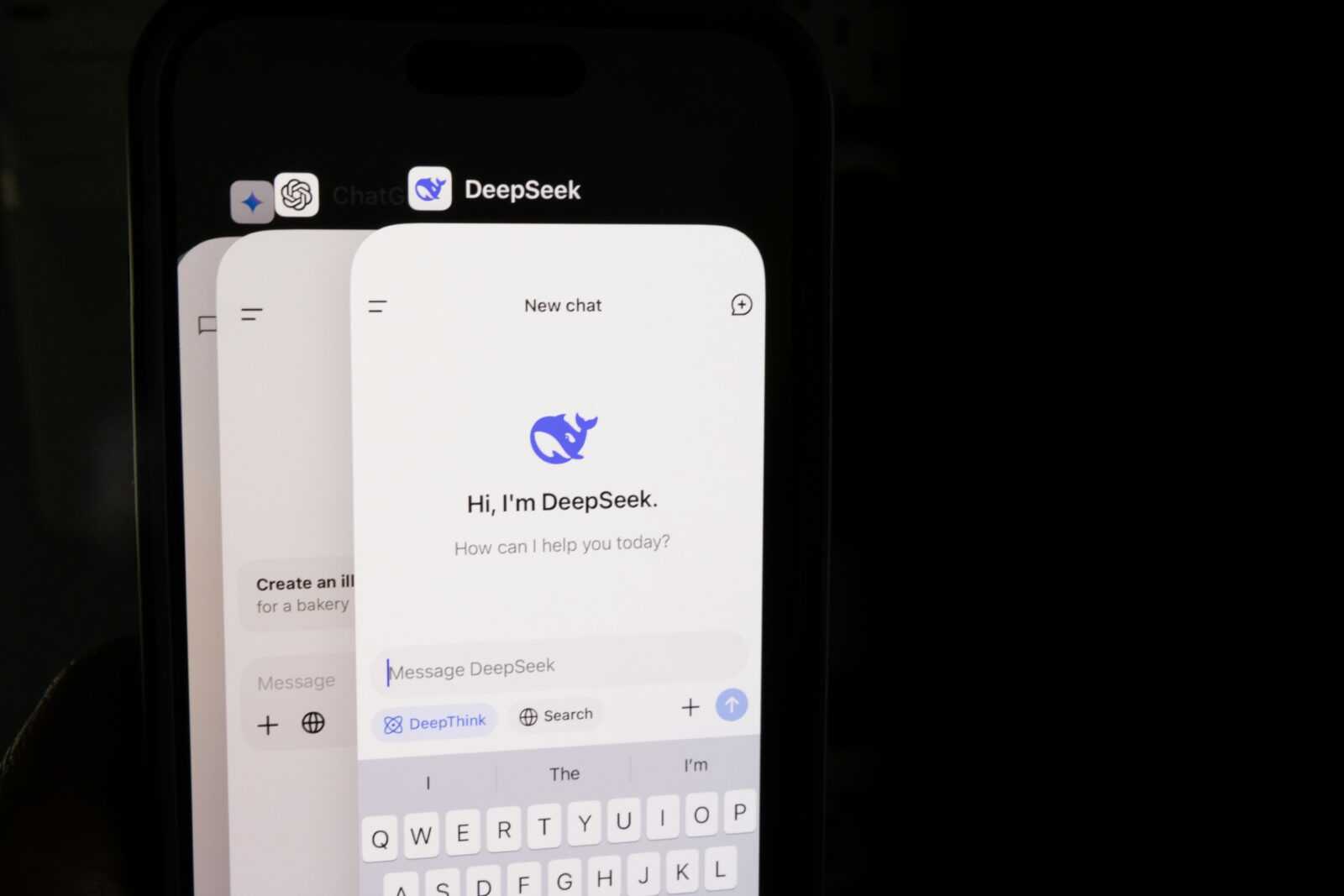
Major sportsbooks and betting platforms are investing heavily in proprietary AI to protect their market position. These private models are built on vast customer data pools and integrated with real time inputs, allowing for:
Dynamic odds tailoring based on betting patterns
Sophisticated risk management algorithms
Edge detection systems that flag irregular bettor behavior
By keeping these systems opaque, platforms maintain a defensive advantage and a data advantage.
Open Source Power for the Individual Player
At the same time, individual bettors and tight knit syndicates are increasingly tapping into the power of open source AI tools. With access to historical datasets, predictive models, and even Natural Language Processing plugins, small players can now:
Build semi automated betting systems
Scrape news, injury reports, and sentiment data for fast reacting models
Simulate thousands of betting scenarios in real time
This kind of DIY access levels the playing field at least for those who know how to use it.
Ethical and Competitive Tensions Are Rising
The emergence of advanced AI in betting has also introduced new gray zones:
Lack of transparency: Platforms keep algorithms secret to protect business interests, but this raises concern over fairness and accessibility.
Data asymmetry: Smaller players may not have the same volume or quality of data, putting them at a disadvantage.
AI generated manipulation: As bots deploy faster than human strategies, questions arise around control and regulatory oversight.
As the arms race continues, expect louder calls for accountability, clearer ethics, and smarter regulation.
Explore deeper insights on how AI and big data are transforming betting
What This Means for the Future of Betting
Betting is becoming less about gut, more about grit. Algorithms crunch massive datasets by the minute. Real time odds adjust faster than you’ve got time to hit refresh. Emotion the long time co pilot of the average bettor is fast losing its seat at the table. Cold, calculated signals are taking over.
But this isn’t just about machines winning. It’s about humans learning how to partner better with data. The sharpest bettors in 2024 won’t be the wild guessers they’ll be the ones who can read patterns and react faster than the crowd. Interpreting market shifts, sniffing out value, and acting before public sentiment catches up that’s the edge.
That said, human judgment isn’t dead. AI can process information, but it can’t fully replace instinct honed by years of watching a game, tracking a fighter, or understanding player psychology. The role is shifting, not vanishing. In this new era, it’s not about man vs. machine it’s about man with machine.
Watch This Space
Right now, regulation is playing catch up. Most global betting regulations were built for a world of human oddsmakers, not machines trained on billions of data points. That gap is starting to close. Countries like the UK and Australia are beginning to discuss guardrails for transparency in AI based betting systems, and U.S. regulators aren’t far behind.
The challenge? Enforcing fair play without killing innovation. Responsible use means clarity around what tools are being used, how data is interpreted, and who gets access. Without this, we’re looking at a possible two tier market where those with premium AI systems or exclusive APIs have a huge edge over everyone else. That raises tough questions about fairness, especially in public markets.
One thing’s clear: betting in 2024 and beyond will reward adaptation over intuition. Those who ignore the shift will fall behind. Those who lean in sharpen their tech literacy, understand the models, and move fast will find new ground to win on. The game hasn’t ended. It’s just changed.